Elegant Ornamental Art: A Designer's Guide to This Ornate Vector
There’s a specific kind of visual that stops you mid-scroll. It isn't loud or chaotic; it’s intricate, deliberate, and carries a sense of history. This is the power of Elegant Ornamental Art. It’s not just a decorative flourish; it's a design element with a personality—a hand-drawn, scalable tribal vector that brings immediate depth and character to any project. If you're looking for an ornamental clipart illustration that feels both timeless and versatile, this kind of asset is a cornerstone for a professional creative toolkit.
Understanding the Character of Ornamental Design
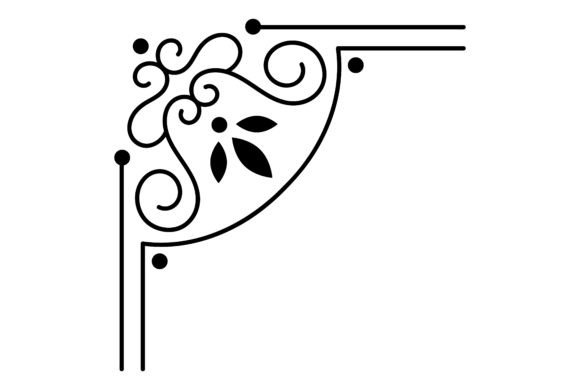
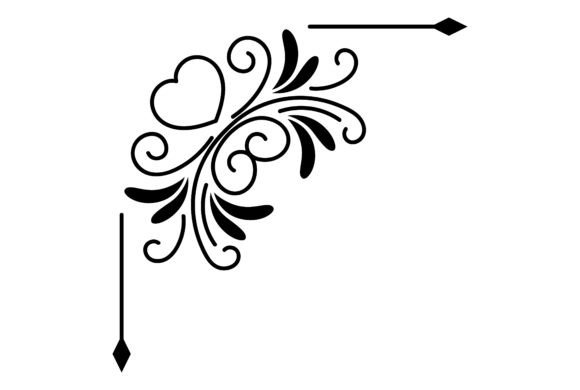
At its core, Elegant Ornamental Art is defined by its intricate line work and balanced symmetry. The visual style draws from traditional motifs—think Art Nouveau curves, Baroque flourishes, or tribal patterns—but is rendered with a clean, modern hand. This gives it a dual personality: it feels established and classic, yet fresh and applicable to contemporary design. The "elegant" descriptor is key; this isn’t a rough, distressed texture. The lines are confident and purposeful, creating a sense of premium craftsmanship.
The appeal lies in its ability to act as a visual anchor. In a world of flat design and minimalism, a well-placed ornamental element provides a necessary point of interest. It can soften sharp digital interfaces, add a layer of sophistication to print materials, or serve as the central motif in a brand identity. For designers, entrepreneurs, and content creators, it’s a shortcut to injecting artistry without starting from scratch.
Practical Applications: Where This Artwork Shines
The true value of a high-quality ornamental asset is its versatility. This isn’t a single-use graphic. Because it’s a scalable vector, it maintains perfect clarity whether you’re using it as a subtle background texture or as the main feature on a large-format print.
- Branding & Logo Design: Use the ornament as a standalone logomark, a detailed frame around a wordmark, or as a repeating pattern for brand collateral. It instantly communicates a brand identity centered on quality, tradition, luxury, or artisanal craftsmanship.
- Editorial & Publishing: For book covers, chapter headings, or section dividers in magazines and blogs, ornamental art creates a professional visual hierarchy. It guides the reader’s eye and elevates the perceived value of the content.
- Digital & Web Design: In a website header, as a custom bullet point, or as a footer element, it adds a layer of custom detail that sets a site apart from template-based designs. It’s also perfect for social media graphics and YouTube channel art.
- Packaging & Print-on-Demand: This is where the art truly excels. From invitation cards and greeting cards to product labels and box designs, ornamental art provides the decorative flair that makes physical products feel special and well-designed.
Making It Work for Your Project
Choosing the right ornamental piece requires thinking about context. First, consider the scale of your project. The detailed nature of this art means it can be scaled down for subtle accents, but its full impact is felt at sizes where its intricacies can be appreciated. The provided high-resolution file (4936x3319px at 300 dpi) is specifically prepared for crisp printing on paper, making it ideal for physical applications.
Next, think about color and tone. A black-and-white ornament is incredibly versatile. You can easily recolor it to match any brand palette—use a metallic gold for luxury, a deep navy for tradition, or a vibrant coral for a modern twist. Its personality adapts to your color choices.
Finally, consider font pairing. If you’re using the ornament alongside typography, the pairing is critical. A strong, clean sans serif font can provide a beautiful contrast, letting the ornament be the star. Alternatively, a classic serif font can create a harmonious, traditional look. Avoid pairing it with highly decorative script fonts or handwritten fonts, as the competing details can create visual clutter and harm readability.
Key Considerations for Professional Use
Integrating any new design asset requires a strategic approach to ensure it enhances, rather than complicates, your work.
- File Format Flexibility: The inclusion of SVG, AI, and EPS files is non-negotiable for serious work. These vector formats allow for infinite scaling and easy editing in software like Adobe Illustrator. PNG and JPG are for web or quick use, but the vector files give you full creative control.
- Software Compatibility: This type of asset is designed to work seamlessly within professional design assets workflows. It’s compatible with Adobe Photoshop, Illustrator, GIMP, and other major design software, ensuring it fits into your existing process.
- Licensing for Commercial Projects: Always verify the license. A truly professional asset will come with clear terms for commercial use. This means you can confidently use it in client work, on products for sale, and in marketing materials without legal ambiguity. This is a critical component of a premium font or graphic purchase.
Ultimately, Elegant Ornamental Art is more than just a decorative clipart. It’s a strategic design element. When used thoughtfully, it can define a brand’s visual identity, add perceived value to a product, and create a memorable experience for your audience. It’s a testament to how a single, well-crafted graphic can become a foundational piece of your creative library, ready to be deployed across countless projects to add that essential touch of elegance and sophistication.