Using Traditional Ornament Frames in Modern Design
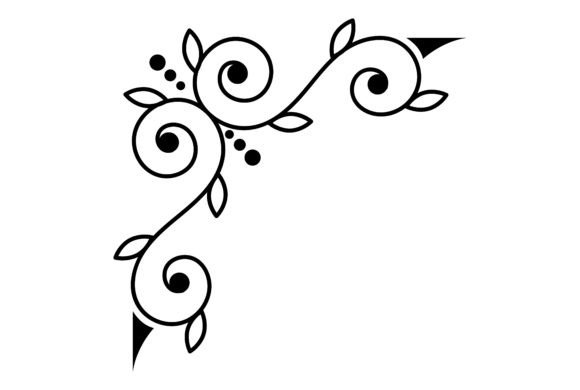
There’s a certain weight and history to ornate, hand-drawn borders. They carry the elegance of illuminated manuscripts and the intricate detail of vintage signage. This hand drawn ornament vector captures that timeless quality. It’s not just a decorative edge; it’s a scalable tribal vector with a distinct personality, perfect for projects that need a touch of classic sophistication without feeling dated. The style is detailed and intentional, offering a frame that draws the eye inward, making it a powerful tool for composition.
The visual appeal of this Traditional Ornament Frame lies in its balanced complexity. The curves and flourishes are symmetrical and rhythmic, creating a sense of harmony and order. It has the organic feel of handcraft, yet the precision suggests careful artistry. This isn’t a generic clipart border. It functions as a cohesive design asset that can anchor a layout, provide a focal point, or add a layer of curated detail. Its personality is one of refined craftsmanship, making it ideal for brands and projects that value heritage, quality, and artistic expression.
Practical Applications for This Ornamental Frame
Understanding where this type of design element excels is key to using it effectively. Its high-resolution file (4936x3319px at 300 dpi) makes it a versatile tool for both digital and print projects. For designers and entrepreneurs, the included formats—SVG, PNG, JPG, EPS, DXF, and AI—ensure compatibility across virtually any software, from Adobe Illustrator and Photoshop to GIMP and other design platforms.
In editorial design and book covers, a traditional ornament frame can instantly elevate a title page, chapter heading, or cover art. It signals genre—think classic literature, fantasy, historical fiction, or poetry collections. For brand identity, especially for artisanal businesses, luxury goods, or bespoke services, incorporating this frame into a logo design, packaging, or business stationery communicates a commitment to detail and tradition. It can become a recognizable element within a broader visual identity.
The applications extend far beyond traditional print. Consider its use in digital design for website headers, featured image borders, or social media graphics that need to stand out. For bloggers and content creators, it can frame quotes, testimonials, or special announcements, adding a layer of visual interest that enhances reader engagement. Crafters and hobbyists will find it perfect for invitation cards, greeting cards, and print-on-demand products, where a premium, handcrafted feel is a major selling point.
Integrating the Frame with Typography and Layout
The real power of a Traditional Ornament Frame is unlocked when paired thoughtfully with typography. Because the frame itself is ornate, the text within it needs to be legible and complementary. A clean, modern sans-serif font can create a striking contrast, letting the frame’s detail shine while ensuring the message is clear. Alternatively, a classic serif font can create a harmonious, unified look that reinforces a traditional aesthetic.
Avoid pairing it with overly decorative script fonts or handwritten fonts for body text, as this can lead to visual clutter and reduce readability. Instead, use such fonts sparingly for accents or headlines, with the main text set in a more legible typeface. The goal is to create a clear visual hierarchy. The frame should enhance the content, not compete with it. Test your font pairings by placing a sample heading and paragraph inside the frame to see how the spacing, size, and style interact.
Choosing and Evaluating for Your Project
Before integrating this design asset, evaluate its fit with your project’s goals. Does the ornate style align with your brand’s perceived personality? For a minimalist tech startup, it might feel out of place. For a vintage-inspired café, a luxury jewelry line, or a wedding planner, it could be perfect. Consider the commercial licensing included with your purchase to ensure it covers your intended use, whether for client work, merchandise, or personal projects.
Test the frame in context. Place your logo, text, or imagery inside it and view it at the intended size. Does it maintain its integrity and detail? For web design, check how it renders on different screens. For print design, print a proof to see how the lines and details reproduce. The vector formats (SVG, EPS, AI, DXF) are invaluable here, as they allow you to scale the frame without any loss of quality, ensuring crisp edges on everything from a business card to a poster.
This hand drawn ornament vector is more than a decorative border; it’s a strategic design element. When used with intention, it can significantly strengthen brand recognition, add professional polish, and create a memorable visual experience for your audience. Its true value lies in its ability to bridge the timeless appeal of traditional craftsmanship with the demands of contemporary design, making it a worthy addition to any creative’s toolkit.